
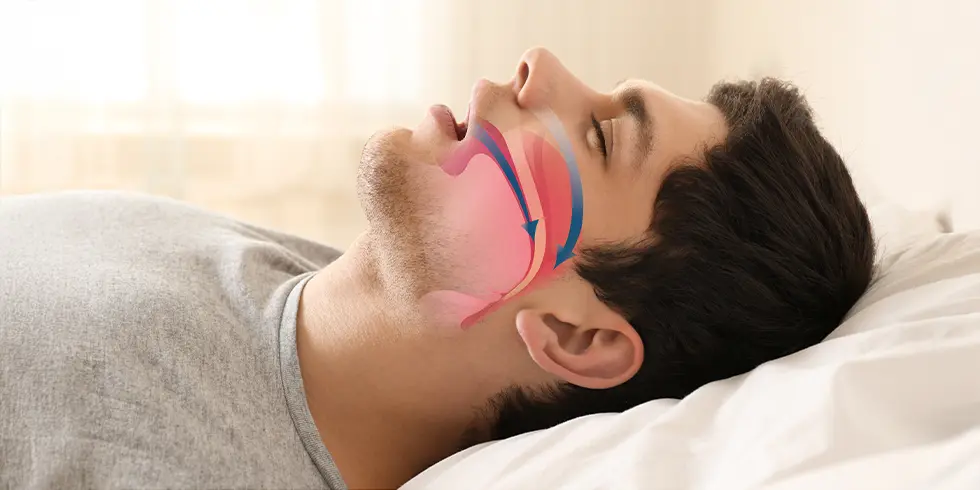
Breathing—it’s something we all do naturally, right? But here’s the thing: the way you do it might be bad for your health. We’re supposed to breathe through our noses, as nasal breathing is the natural and preferred way for optimal health. However, many end up breathing through their mouths as a habit or due to obstruction. What many don’t realise is that consistent mouth breathing can seriously affect their health in many ways.
Health risks of mouth breathing
1. Disrupted sleep patterns and fatigue
Disturbed sleep patterns and fatigue often accompany mouth breathing. This habit is strongly connected to sleep disorders, creating disruptions in the quality of your rest. When you breathe through your mouth while sleeping, it results in irregular breathing patterns, preventing the achievement of deep and restorative sleep.
The effects of poor sleep quality go beyond nighttime discomfort, manifesting as persistent fatigue during the day. In children, this fatigue can manifest as behavioural issues, affecting their overall well-being.
2. Oral health complications
Oral health complications are a direct effect of chronic mouth breathing. When you breathe through your mouth regularly, the constant airflow dries out your oral tissues, leading to a dry mouth. Saliva is essential for preventing tooth decay by neutralising acids and clearing away debris. However, reduced saliva production, which occurs with mouth breathing, creates an environment that is conducive to the development of cavities, gum inflammation and other oral health problems.
3. Facial and dental development issues in children
Children are particularly vulnerable to the consequences of mouth breathing, as their facial and dental structures are still developing. The consistent practice of breathing through the mouth can impact the growth of their jaws and the alignment of their teeth. This may lead to misaligned teeth, gummy smiles and a narrower jaw. Early intervention to address mouth breathing during childhood is essential to prevent long-term dental and facial development issues.
4. Sleep apnoea and snoring
Mouth breathing often serves as an initial stage leading to more significant sleep disorders, particularly sleep apnoea. Mouth breathing can compromise the airway, increasing the risk of snoring. This snoring tendency, if persistent, may escalate to obstructive sleep apnea, a condition marked by intermittent breathing interruptions during sleep. Sleep apnea is associated with substantial health risks, including cardiovascular issues and daytime fatigue.

5. Increased risk of respiratory infections
Mouth breathing exposes the respiratory system to unfiltered and dry air. In contrast, the nose serves as a natural filter, humidifier and temperature regulator for the air entering the lungs. When you breathe through your mouth, airborne pathogens, allergens and debris have direct access to the respiratory tract, heightening the risk of respiratory infections. Without the protective mechanisms provided by the nose, the body’s ability to defend against potential threats is compromised.
6. Impaired oxygen uptake and cardiovascular impact
Nasal breathing facilitates optimal oxygen uptake and carbon dioxide exchange. However, when you breathe through your mouth, this delicate balance is disrupted. Mouth breathing typically involves quick and shallow breaths, which can result in reduced oxygen levels in the bloodstream. Over time, this can strain the cardiovascular system, potentially leading to problems like high blood pressure and other cardiovascular complications.
7. Impact on facial aesthetics
In addition to its health implications, mouth breathing can also impact facial aesthetics. Persistent mouth breathing may weaken facial muscles, potentially contributing to an elongated face and overall changes in facial appearance. This aesthetic impact is particularly noticeable in the lower third of the face, including the chin and jawline. It highlights the intricate link between respiratory habits and facial features.
8. Cognitive and behavioural effects
Recent studies show a connection between chronic mouth breathing, cognitive deficits and behavioural changes, particularly in children. Poor sleep quality and reduced oxygen intake may contribute to difficulties in concentration, memory problems and mood disturbances.

Causes of mouth breathing
Mouth breathing often occurs as a substitute when nasal airways are blocked, leaving your body to seek oxygen through an alternative route. The potential causes preventing nasal breathing include:
- Nasal congestion: Resulting from colds, allergies or sinus infections.
- Enlarged adenoids and tonsils: Obstructing the normal airflow.
- Deviated septum: When the nasal septum is displaced.
- Nasal polyps: Abnormal growths in the nasal lining.
- Structural factors: Nose and jaw shape, and even tumours.
- Stress and anxiety: Emotional factors contributing to habitual mouth breathing.
Signs that you are a mouth breather
Identifying mouth breathing isn’t always obvious, especially during sleep. Keep an eye out for these signs:
- Snoring: Audible during sleep.
- Dry mouth and lips: Resulting from reduced saliva flow.
- Bad breath: Caused by the drying effect of mouth breathing.
- Frequent cavities: Increased vulnerability to tooth decay.
- Brain fog and fatigue: Impaired sleep quality affecting daily energy.
- Large tonsils: A potential physical indicator.
- Daytime sleepiness: A consequence of disrupted sleep patterns.

Treatment for mouth breathing
Tailoring the treatment for mouth breathing involves addressing the underlying cause:
Surgical intervention: Removal of adenoids and tonsils for improved airflow.
Sleep apnoea solutions: Dentist-prescribed Mandibular Advancement Device (MAD).
Maintaining optimal oral hygiene through regular brushing, flossing and dental check-ups is crucial in minimising the adverse effects of mouth breathing. Early detection and intervention ensure that potential issues are addressed promptly, preventing them from escalating into more significant concerns.
About the author
Dr. Su Lin Lim is a skilled dental surgeon with a passion for transforming smiles. She specialises in dental implants, dento-alveolar surgery, and aesthetic rehabilitation. Committed to continuous learning, Dr. Su Lin regularly attends professional development courses and shares her expertise through lectures and mentorship. She is dedicated to providing personalised care and helping her patients achieve their ideal smile.
Learn more about Dr. Su Lin and her practice: Simply Teeth